


7 August 2026
Breastfeeding without judgement: why professional support matters from the very beginning
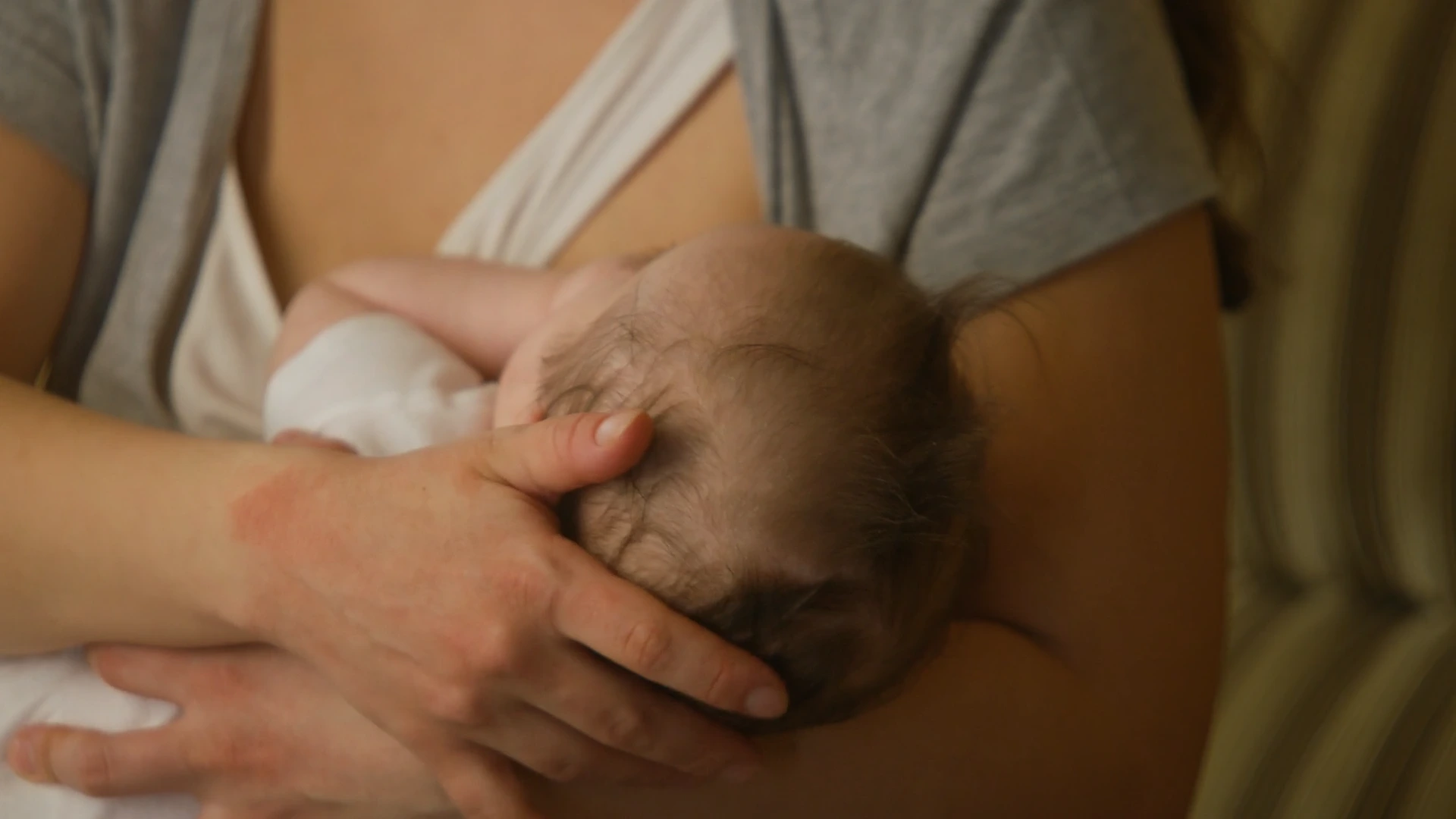
Breastfeeding is often presented as a personal decision, but in real life very few decisions depend on willpower alone. Birth, physical recovery, exhaustion, pain, the baby’s latch, a caesarean section, prematurity, or temporary separation can completely change what a mother had imagined during pregnancy. Talking only about “wanting” or “not wanting” to breastfeed leaves out an essential part of the picture: the conditions on which that decision is based.
That is precisely the focus of World Breastfeeding Week 2026, held from 1 to 7 August. Under the idea of strengthening what we already know works, the WHO is stressing this year the need for trained professionals, prepared hospitals, and continuous support, as well as family support and working conditions that allow breastfeeding to continue when that is the mother’s choice. The challenge, the organisation says, is not to discover whether support works, but to make sure it reaches women consistently and sufficiently.
That support often begins in the first hours after birth. The WHO recommends facilitating skin-to-skin contact and supporting the start of breastfeeding shortly after birth whenever the mother wishes to breastfeed and clinical circumstances allow it. But support is not simply about placing the baby at the breast. It also means observing a feed, checking the latch, identifying pain, and answering questions, as well as explaining what to do if complications arise or if the mother and baby need to be temporarily separated.
The difference this kind of care can make is considerable. In its 2026 campaign, the WHO reports that specialised counselling provided through a combination of health services, community settings, and the home has been associated with a 58% increase in exclusive breastfeeding rates. Baby-friendly hospital programmes have also shown improvements in continuation. These findings shift part of the responsibility away from the woman and towards her environment: if access to appropriate support changes outcomes, sustaining breastfeeding cannot be understood purely as a matter of personal effort.
The training of those providing this support also matters. On 23 June 2026, the WHO published a new tool designed to assess the competencies of professionals who support breastfeeding. It looks not only at their knowledge, but also at the skills and attitudes needed to provide safe, effective, and compassionate care. Knowing how to explain positioning is important, but so is knowing how to listen to what that mother wants and what obstacles she is facing.
Because during the first few days, very specific problems can arise. Severe pain, cracked nipples, engorgement, mastitis, uncertainty about milk supply, or a baby who is not gaining weight as expected can turn every feed into a source of worry. On top of that, mothers may receive different advice depending on which professional they speak to. That is why clear support tailored to the specific problem can make the difference between finding a solution and experiencing the whole process with anxiety.
And this brings us to a dimension that does not always receive enough space or attention: how the mother feels. Feeding a baby can quickly become linked to the idea of doing things “right” or “wrong”. When reality does not match expectations, many women experience guilt, frustration, or a sense of failure. In a study of 876 mothers, greater perceived pressure to breastfeed and poorer ratings of professional support were associated with higher levels of anxiety and postpartum depression, partly through feelings of guilt and shame.
Because the relationship between breastfeeding and mental health does not work in only one direction. A systematic review published in 2025 found that women with postpartum depressive symptoms had more difficulty maintaining exclusive breastfeeding. At the same time, going through a painful experience or one that is very different from what had been imagined can contribute to emotional distress. This makes it especially important for postpartum follow-up to consider both the baby’s feeding and the mother’s physical and psychological wellbeing.
The language used during that support can also shape the experience. Explaining the benefits of breastfeeding is part of comprehensive care, but providing information is not the same as applying pressure. Respectful maternal care promoted by the WHO includes dignity and the ability to make informed decisions among its key principles. A woman may want to breastfeed and need help to do so, combine different feeding methods, or choose formula, and the healthcare response should remain respectful in all of those situations.
Removing judgement does not mean claiming that all feeding options are nutritionally identical. It means distinguishing providing medical information from judging someone’s ability to be a mother. The professional’s role is to explain the evidence, listen to individual circumstances, and answer questions, while helping the chosen option to be carried out as safely as possible. How a newborn is fed should not become a measure of commitment, affection, or the ability to care.
Outside the consultation room, there are also factors that can make the process easier or harder. Constant comments about whether the baby is “still hungry”, comparisons with other mothers, or contradictory advice can increase uncertainty during a stage that is already shaped by exhaustion. By contrast, a family that takes on tasks, respects rest, and supports the mother’s decisions can become an important support network.
Later, another challenge appears: returning to work. Sufficient breaks, suitable spaces for expressing milk, and a certain degree of flexibility can make it possible to continue breastfeeding for those who want to. UNICEF identifies the workplace as one of the important barriers to continuation, while the 2026 campaign explicitly includes workplaces within the wider chain of support surrounding mothers.
Support should not end when the mother leaves hospital. Some difficulties emerge precisely after returning home, when routines change, pain develops, or there are questions about whether the baby is feeding enough. The WHO recommends that counselling continue during later contacts with healthcare services. That continuity can help solve problems before they escalate while also identifying signs of exhaustion, anxiety, or depression.
Helping also does not always mean insisting on continuing. Sometimes it can involve reassessing expectations, discussing alternatives, or supporting a decision that has changed. A woman who stops breastfeeding earlier than she had expected should not lose professional support at precisely the moment when she may feel most vulnerable. The priority remains that the baby receives appropriate nutrition and that the mother’s physical and emotional health forms part of the care provided.
World Breastfeeding Week 2026 therefore offers an opportunity to approach the subject from a different perspective. Rather than simply listing benefits again, it invites us to look at everything that makes it possible for a woman to breastfeed if she wants to: trained professionals, consistent information, respectful care, family support, suitable working conditions, and continued follow-up.
Perhaps that is why the question should not be limited to why a mother breastfeeds or stops breastfeeding. It also matters to ask what difficulties she encountered and what support she received, and whether she was able to make her decisions without pressure, guilt, or fear of being judged. Because the quality of care is not measured only by how long breastfeeding continues, but also by how each mother is supported when the real experience is not as idyllic as she had imagined.

