


23 April 2026
Psychological support in nursing: the urgent need the system keeps putting off
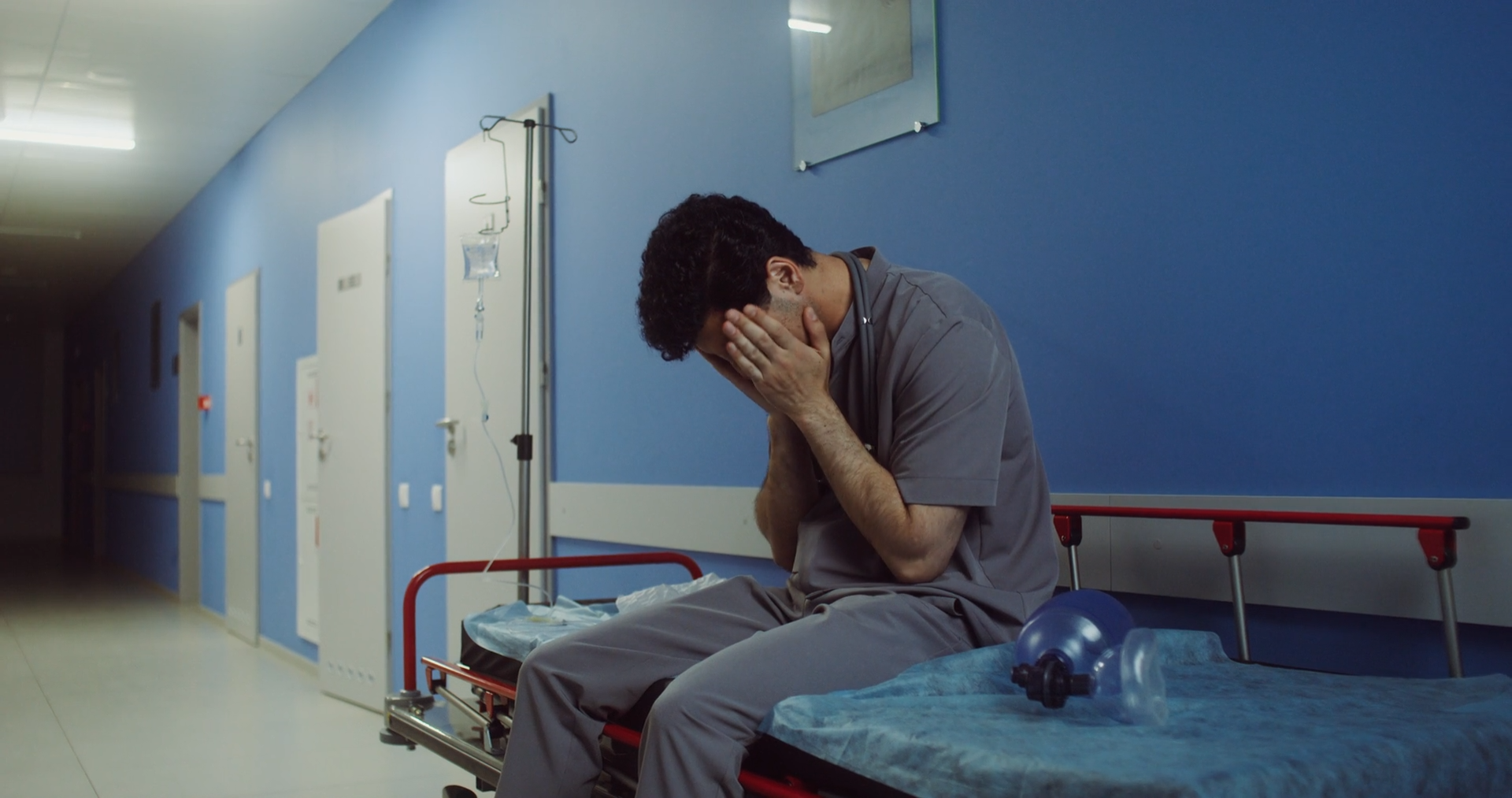
For years, the mental health of nursing staff has been treated as a secondary issue. Important, yes, but almost always postponed in favour of what is urgent: shifts, care-delivery pressure, and the need to keep up with a system that rarely stops. And when that pressure becomes unsustainable, the institutional response usually arrives late, in fragments, or not at all. Structural psychological support — the kind of continuous, accessible assistance that should be part of the system — remains an unfinished task today.
COVID-19 was perhaps the most striking case, but neither the first nor the only one. During the pandemic, the emotional exhaustion of healthcare workers became visible to everyone: there was talk of burnout, anxiety, grief, and extreme fatigue. The World Health Organization reported that, between January 2020 and April 2022, at least a quarter of healthcare personnel showed symptoms of anxiety, depression, or burnout. And a review published in 2024 concluded that, during that period, nursing professionals showed higher levels of stress, burnout, anxiety, and depression than other healthcare workers. But once the most critical moment had passed, only an uncomfortable feeling remained: the effort was widely acknowledged, but it never translated into real structures for psychological support.
A problem that didn't start with the pandemic
What COVID did was expose a pre-existing fragility that was already there and is still present in many care settings. In Spain, the Ministry of Health estimates that at least 100,000 more nurses would be needed to reach the European Union average. Today, the Spanish ratio is 6.3 nursing professionals per 1,000 inhabitants, compared with 8.5 in the EU. In that same analysis, 39.4% of the professionals surveyed said they intended to leave the profession within the next ten years.
That structural context has a direct impact on mental health. In a survey by the General Nursing Council released in 2024, 88.3% of nursing staff said their workload was affecting them psychologically, and one in four reported having suffered depression. These are not isolated figures: they describe a widespread, sustained emotional pressure that still lacks a response proportionate to the problem.
Why psychological support can no longer be a patch job
When people talk about psychologically supporting nursing staff, they often think of individual therapy or wellbeing resources offered on a one-off basis: a talk, a workshop, a phone line after a crisis. But the underlying problem is broader, and the evidence confirms this more clearly every day.
The mental health of nursing staff does not depend solely on an individual's ability to "manage stress better," but on how work is organised: shifts, leadership, workloads, and the actual conditions of practice. The WHO guidelines on mental health at work recommend acting at several levels: organisational interventions, training for managers and teams, and individual support. Added to this is a systematic review published in 2024 which concluded that the most effective interventions for reducing burnout are precisely those that modify the work environment, not those focused solely on the individual.
The underlying idea is clear: psychological support cannot be limited to stepping in once distress has already become chronic. It has to be continuous, preventive, and built into the organisation of work itself. That is why it remains an unfinished task: because it is still approached more as a patch than as a structural part of the quality of care.
The scale of the problem in Europe
The most recent data confirm this. In October 2025, WHO Europe published the results of the largest survey carried out to date on the mental health of doctors and nursing professionals in the European Union, Iceland, and Norway. The report found a high prevalence of mental health problems and unsafe working conditions. Its statement was blunt: one in three medical and nursing professionals reported depression or anxiety, and more than one in ten reported passive thoughts of death or self-harm.
WHO Europe proposed several urgent lines of action: zero tolerance for violence, reduction of excessive workloads, expanded access to psychological support, and regular monitoring of staff wellbeing.
What psychological support in nursing should really look like
Defining what effective psychological support consists of is key to stopping it from being treated as a one-off resource. In practice, it means several things.
First, confidential and straightforward access to professional psychological care, without asking for help being perceived as a sign of weakness. Second, specific support in situations of high emotional demand, such as prolonged contact with suffering, grief, or death, which are a routine part of the profession. And third, integrating this support into staff's day-to-day work, rather than activating it only when a crisis has already been declared.
Alongside this, there are complementary tools with promising results. A recent systematic review found that peer support and mentoring programmes significantly reduce anxiety and stress. In a profession where the emotional load is often carried in silence within the team itself, well-structured peer support can make a real difference — provided it is understood as a complement to professional psychological support, not a substitute for it.
Training the nurses of the future also means talking about psychological support
Universities have a decisive role to play here. Preparing future nursing professionals can no longer be confined to the technical or clinical dimension. It also means teaching them to recognise emotional exhaustion, work on stress regulation, and build a sustainable professional practice, in which seeking psychological help is understood as part of the responsible exercise of the profession, not as an exception.
This does not reduce rigour or demands. On the contrary: it reinforces them. A professional also trained to look after their own wellbeing practises with more resources, better judgement, and greater safety. Psychological support is not an extra: it is part of professional competence and of the quality of care the patient receives.
Because when a healthcare system fails to take care of those who care, it ends up eroding the quality of the care it provides. And the great lesson of recent years is clear: admiring the vocation of nursing is not enough. It has to be strengthened with real backing.

