


17 August 2026
From Animals to Humans: How Spain Is Preparing for New Flu Threats
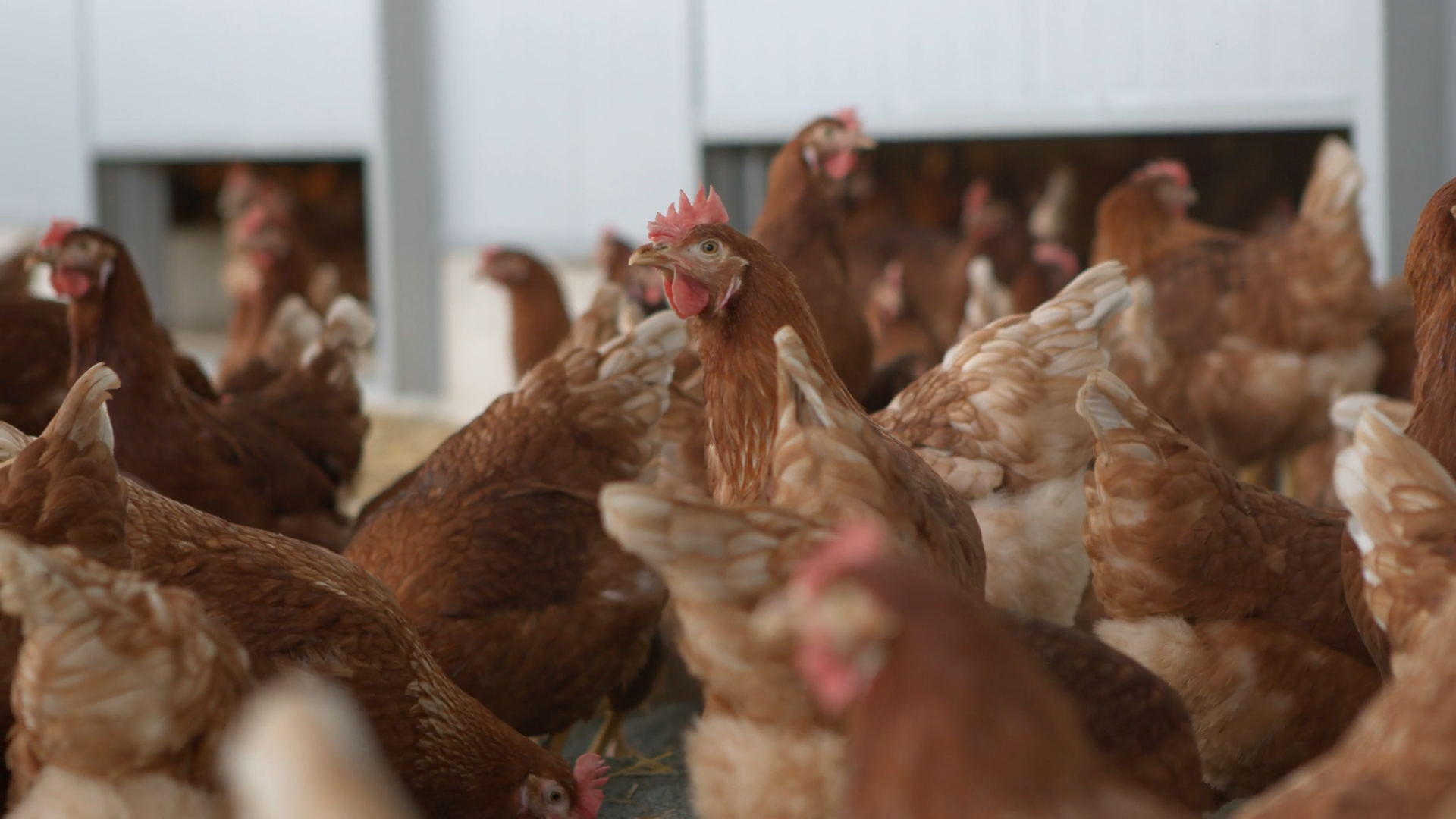
From Animals to Humans: How Spain Is Preparing for New Flu ThreatsWhen we hear about the flu, we normally think of the respiratory infection we are already familiar with and that returns every winter. However, influenza viruses do not circulate exclusively among humans. Different variants commonly circulate in birds, pigs and other animals, but they can occasionally cross the species barrier. Most of these spillover events end there, without generating chains of transmission, but their ability to evolve explains why they are closely monitored even when the risk to the general population remains low.
Spain has recently strengthened this surveillance. In July 2026, the Public Health Commission approved the National Plan for Infections Caused by Zoonotic Influenza Viruses, a common framework connecting human health, animal health and the environment. Its purpose is not to predict a new pandemic, but to detect any significant changes and ensure an organised response is in place before a potential threat develops into a larger problem.
When Flu Crosses the Species Barrier
Zoonotic influenza infections occur when a variant that normally circulates in animals infects a person. Among the best known are those of avian and swine origin. These events are uncommon and are generally associated with direct contact with infected animals, their secretions or contaminated environments, particularly among certain occupational groups.
The main public health concern, however, lies in the ability of influenza A viruses to change over time. They can accumulate mutations and exchange genetic material when different variants infect the same host. Most of these changes pose no threat to humans, but some could favour greater adaptation to mammals. The main warning sign would be a strain acquiring the ability to spread efficiently and sustainably between people, something that is not currently being observed in Europe.
Nevertheless, the current context justifies continued surveillance. Between 28 February and 4 June 2026, 949 detections of highly pathogenic avian influenza A(H5) in birds across 30 European countries were reported, most of them in wildlife. Sporadic infections in some mammals were also recorded. The European Centre for Disease Prevention and Control continues to assess the risk to the general population as low, although it is higher among people who are occupationally exposed to infected animals.
More Animal Outbreaks Do Not Necessarily Mean More Human Infections
Over the past year, Spain has recorded more than 150 outbreaks of avian influenza, mainly among wild birds, as well as incidents on farms. However, as of July 2026, no human case of avian-origin influenza had been identified in the country. Regarding variants originating in pigs, three human infections have been confirmed since 2009.
Internationally, isolated cases continue to occur. Between late February and early June this year, 19 human infections involving different avian influenza subtypes were reported across six countries and territories. Most of those affected had been in contact with birds or environments where these animals were present, and there is no evidence of sustained human-to-human transmission.
For this reason, an increase in animal outbreaks does not automatically translate into a greater risk to the public. Assessing each event requires understanding which species is affected, the characteristics of the virus and whether any people may have been exposed.
A Plan Designed to Act Early
Spain's new framework organises the response around four scenarios. The first covers situations in which no infections have been detected and maintains routine prevention and diagnostic activities. The next is activated when outbreaks occur in wild or captive wildlife; another covers infections in domestic animals, while the final scenario begins when a human infection is identified.
Within this final scenario, situations are further differentiated according to whether there is known exposure to animals or evidence suggesting transmission between people. This allows measures to be adapted to the actual level of risk rather than applying the same response to every detection.
Coordination is based on the One Health approach, which recognises the interdependence of human, animal and ecosystem health. If a variant begins behaving differently in wild birds, subsequently reaches a farm and eventually infects a worker, the information collected at each stage forms part of the same public health issue.
Surveillance Before Anyone Reaches the Hospital
A key part of prevention begins outside healthcare settings. Surveillance covers wild and domestic birds, but also mammals, whose infection can provide valuable information about the ability of certain viruses to adapt to new hosts.
This is complemented by genetic sequencing, which makes it possible to analyse changes associated with adaptation or transmission. In human health, the National Centre for Epidemiology, the Coordination Centre for Health Alerts and Emergencies and Spain's autonomous communities participate in detecting and investigating potential zoonotic infections. The national surveillance protocol was updated in April 2026 to establish how suspected cases should be identified, analysed and reported.
Spain has also tested this coordination through a national simulation exercise held on 5 and 6 May 2026. The exercise brought together professionals from public health, animal health, environmental health and food safety to respond to a fictional scenario that began with an outbreak in wild birds and evolved to include detections in other species and potential consequences for human health.
Greater Protection for Those Most Exposed
Prevention measures are not the same for everyone. Veterinarians, livestock workers, environmental officers, zoo staff and other professionals who may come into contact with affected animals face a different level of exposure from the general population.
When an outbreak occurs, the plan includes identifying and monitoring exposed individuals, using protective equipment, carrying out diagnostic testing when necessary and considering antiviral treatment or specific vaccination depending on the circumstances.
Seasonal influenza vaccination also continues to be recommended for these groups. This vaccine does not directly protect against an avian influenza variant, but it reduces the possibility of the same person being simultaneously infected with a human influenza virus and one of animal origin, a situation that should be avoided because of the potential exchange of genetic material.
For the general population, the recommendations are much simpler. If sick or dead wild birds are found, people are advised not to touch or handle them and to report the finding to the appropriate authorities.
Being Prepared Does Not Mean a Pandemic Is Imminent
Having protocols, diagnostic capacity and response systems in place does not mean that a new human influenza outbreak is imminent. The current situation continues to be characterised by sporadic cases without sustained human-to-human transmission.
Preparedness is precisely about making use of this window of opportunity. Zoonotic diseases demonstrate that a health threat can begin far from a hospital and that detecting it early requires connections between epidemiology, microbiology, veterinary medicine, occupational health, environmental health and healthcare.
Spain's new framework follows this logic: not waiting for an animal virus to become a human health problem before organising the response. Because when dealing with pathogens capable of changing and crossing species barriers, identifying a warning signal early can be just as important as knowing how to act once the threat is already present.

