


9 July 2026
# Conscious placebos: when knowing does not prevent improvement
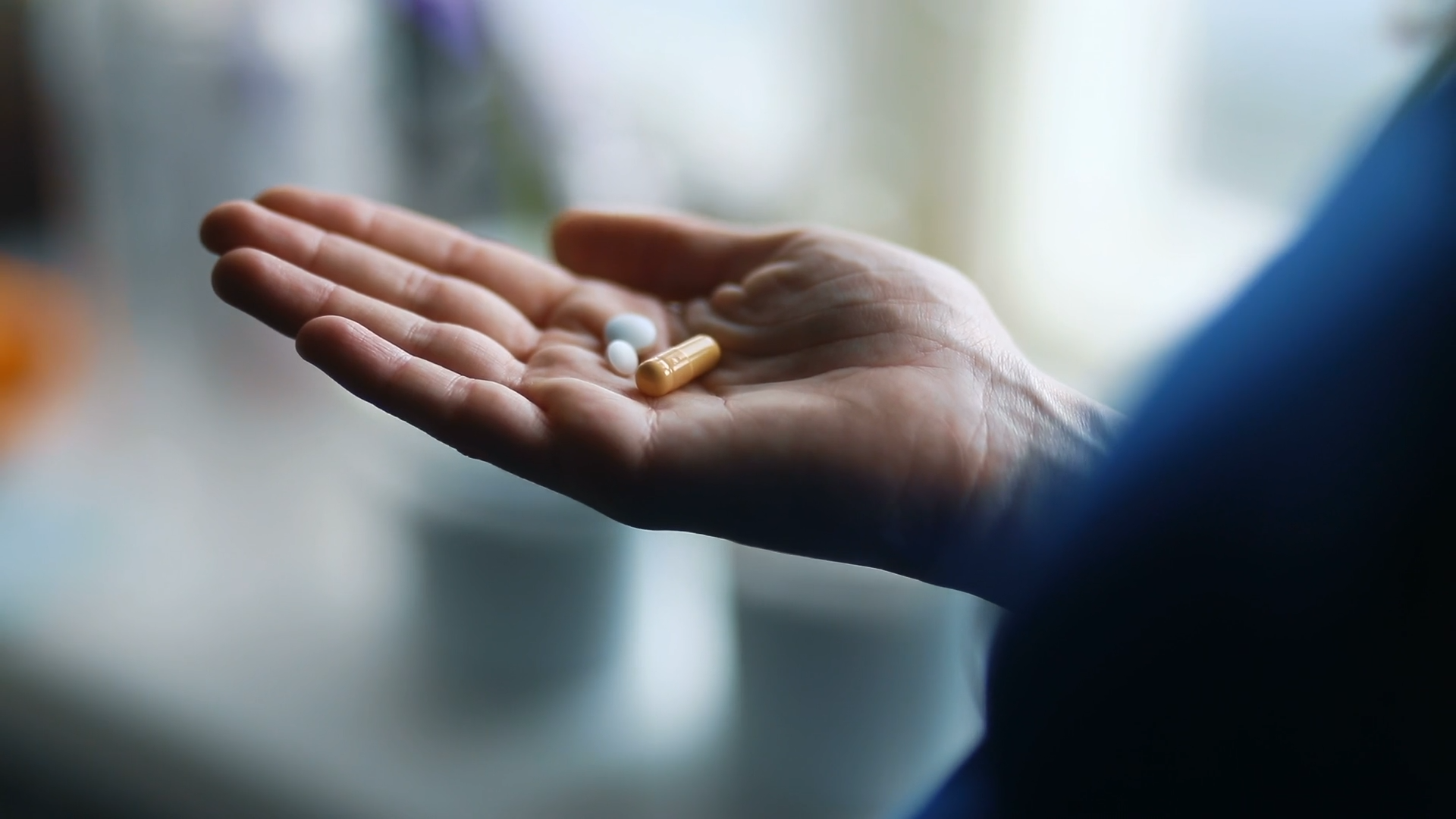
The placebo effect has been associated from its origins with a very specific idea: a person improves because they believe they are taking a real treatment, when in fact they are receiving a substance with no active ingredient. That explanation seemed to rely on one key element: not knowing. For the placebo to work, the patient had to believe they were taking something effective. If they knew the pill contained no medicine, it was assumed that the effect should disappear.
However, research on so-called open-label placebos is challenging that view. These placebos are administered transparently: the person knows they are taking a pill with no active ingredient, but also receives an explanation about how expectations, the therapeutic context and the body’s response can influence certain symptoms or functions. What is striking is that, even with that information present, some studies have observed improvements.
A recent study published in the International Journal of Clinical and Health Psychology analysed this phenomenon in healthy older adults. The study compared three groups over three weeks: one with no intervention, another that received a placebo presented as a multivitamin supplement, and a third that took a placebo while clearly knowing it was one. The results showed that the group that knew it was taking a placebo experienced a reduction in perceived stress and certain improvements in memory and physical performance.
The finding is interesting because it challenges a deeply rooted idea: that the placebo needs deception in order to work. In this case, transparency did not eliminate the possible effect. In fact, in some variables, the informed group achieved results that were equal to or even clearer than those of the group that thought it was taking a real supplement. This does not mean that an inert pill can cure diseases or replace medical treatments, but it does raise a relevant question: to what extent does the body respond not only to what we take, but also to the meaning we give to what we are taking?
The key is to understand that a placebo does not work like a conventional medicine. It does not contain a substance capable of directly modifying an infection, reducing a tumour or correcting a metabolic disorder. Its effect operates in another area: that of perception, expectation and the subjective experience of symptoms. That is why it is often studied in areas such as pain, fatigue, anxiety, nausea or certain functional discomforts.
In the case of open-label placebos, the mechanism may have more to do with context than with blind belief. The person does not think they are taking a drug, but they still participate in a therapeutic ritual: they receive an explanation, follow a guideline, incorporate a routine and expect some possible benefit. That combination can modulate the way they interpret their sensations or cope with certain symptoms.
The relationship between healthcare professional and patient also plays a role. Communication, trust and the way an intervention is explained can change the experience of treatment. Not because words replace pharmacology, but because every clinical act takes place within a framework of expectations. The same symptom can be experienced differently when the person feels supported, understands what is happening and perceives some control over the process.
This point is especially relevant for future healthcare professionals. The placebo effect should not be interpreted as a curiosity or as an excuse to use treatments without evidence. On the contrary, it helps to remember that healthcare is not limited to prescribing or applying techniques. The way professionals communicate, the environment and listening also form part of the clinical experience and can influence how the patient experiences recovery.
Even so, the evidence requires caution. The study in older adults was conducted with a small sample, and the changes observed were modest. That is why the authors stress the need for larger studies, with diverse samples and objective measures, to better understand when, how and in whom these placebos may work.
Recent scientific reviews point in the same direction: open-label placebos may have positive effects in different contexts, but those effects vary depending on the type of population, the symptoms analysed and the way outcomes are measured. That is why it is important to distinguish what kind of improvement is being assessed. It is not the same to evaluate whether a person feels less stressed, less discomfort or more able to cope with a situation as it is to analyse completely objective physical or clinical changes. Conscious placebos seem to make more sense in that first area, where the patient’s perception and experience carry significant weight.
Therefore, their value lies in exploring an ethical route to harness some mechanisms of the placebo response without hiding information from the patient. If the main problem with placebo has traditionally been deception, open-label placebos offer an alternative that is more compatible with autonomy and informed consent.
They also invite a closer look at the boundary between mind and body. In health, the psychological is not separate from the physical. The way a person experiences a clinical situation can influence the perception of pain, fatigue, concentration or response to treatment. Recognising this does not mean claiming that everything depends on attitude, but rather accepting that the experience of illness is complex and that the body responds to multiple signals.
In a form of medicine increasingly supported by evidence, data and technology, this research recalls something essential: context matters. What is administered matters, but so does how it is administered and the relationship built around the treatment.
Conscious placebos do not seek to prove that belief alone is enough to heal. They show something more precise and perhaps more useful: that transparency, expectation and support can influence certain health outcomes. For future healthcare professionals, this approach offers a clear lesson: scientific evidence is essential, but the way it is communicated also matters and can change how the patient understands what is happening and faces the process.

