


28 April 2026
Cozy games: Video games for a generation that needs to slow down
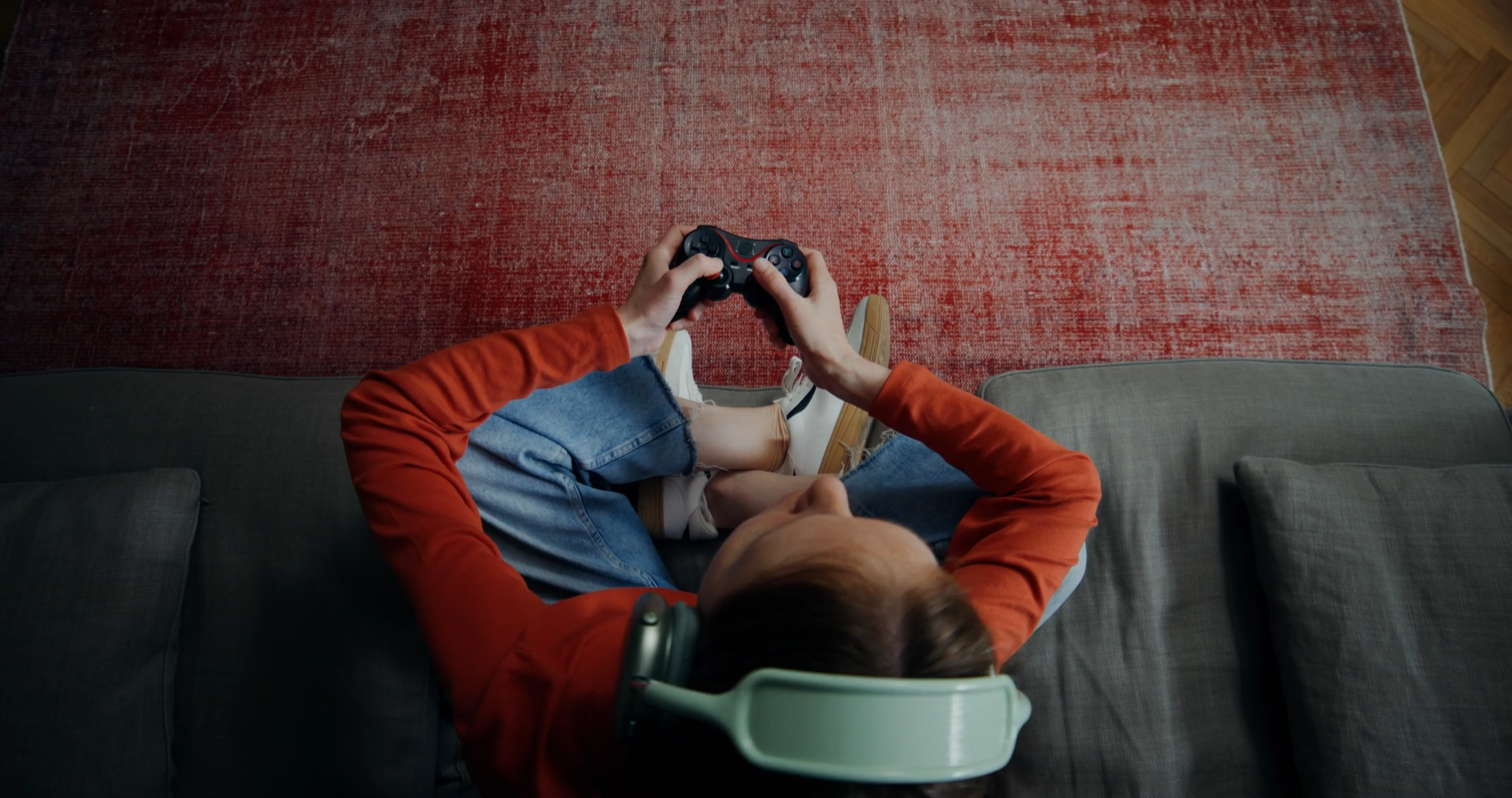
When even resting feels like wasting time
We live surrounded by stimuli. Notifications, work, social media, and a constant feeling that we have to respond or be productive. Even leisure has become fast, competitive, and measurable. The so-called FOMO, that constant fear of missing out, sums it up very well.
In this context, it is not surprising that more and more people are looking for forms of entertainment that do not demand even more tension or performance from them. This is where cozy games come in, a category of video games that has gained prominence precisely because it offers a different experience: playing without stress, without constant pressure, and without the obligation to win.
More than a trend within the gaming world, this phenomenon raises an interesting question from the perspective of Psychology: what does the success of these video games tell us about the way we rest, regulate emotions, and relate to technology?
What are cozy games?
Cozy games, or comforting video games, are games designed to offer a calm and pressure-free experience. They do not punish mistakes, demand speed, or constantly require players to prove their skills.
Unlike other genres focused on competition or fast reactions, here the player does not feel that they have to defeat anything or anyone. They can simply inhabit the game.
In many cases, the experience revolves around creating, exploring, or building relationships within the digital environment itself. Titles such as Animal Crossing, Stardew Valley, Unpacking, or A Short Hike are some well-known examples, although the genre continues to expand and blend with different creative and social proposals.
Their appeal does not lie in adrenaline. It lies in something apparently simpler, but increasingly valuable: the possibility of lowering the intensity.
Calm as a psychological need
From a psychological perspective, the growth of cozy games can be understood as part of a broader search for emotional regulation.
Emotional regulation is the ability to identify, understand, and manage what we feel. It does not always involve major strategies. Sometimes it appears in everyday gestures: listening to music, going for a walk, cooking, or doing any activity that helps recover a certain sense of balance.
In this sense, some video games can function as spaces of transition toward relaxation. After a demanding day, a calm digital experience can help us move from a state of mental activation to a more relaxed one. They do not eliminate problems, but they do show something relevant: many people seek in digital leisure a form of emotional rest, not just entertainment.
And that deserves to be analyzed.
Control, safety, and small achievements
One of the psychological keys to these video games lies in the sense of control.
In daily life, we cannot always decide the pace of things. There are obligations, uncertainty, and situations that escape our ability to react. In these games, however, the environment is usually predictable, manageable, and safe.
The player makes small decisions and sees how the world responds. It is not about great victories, but about simple progress that creates a sense of advancement without heavy demands. And that, in itself, can be a relief.
From Psychology, this connects with what theory describes as basic psychological needs: autonomy, competence, and relatedness. When an environment, even a virtual one, satisfies them, the emotional effect is real.
The value of playing without competing
For much of video game history, games have been associated with winning, completing levels, or competing with other players. Cozy games partially break away from that logic.
In them, playing does not always mean imposing oneself. Sometimes it means exploring, creating, or building something personal. This difference broadens the way we understand digital leisure, because not everyone looks for the same thing when they play: some seek escape, others connection, and others simply a moment of calm.
This shift also reflects a broader cultural transformation: rest is beginning to be valued as something necessary, not as a waste of time. In a world where productivity takes up so much space, choosing a slower experience can also be a form of resistance.
Digital well-being: it is not just about how much time we spend in front of a screen
When we talk about technology and mental health, the debate often focuses on screen time. However, from the perspective of Psychology, that view can fall short.
Not all digital experiences are the same. Spending an hour jumping from one social network to another does not have the same effect as dedicating that time to a creative, slow-paced, or meaningful activity. Content, intention, and context matter.
That is why digital well-being is not only about using less technology, but about building a more conscious relationship with it. A video game can be part of a healthy routine if it coexists with rest, personal relationships, and other well-being habits. But it can also become a warning sign if it turns into the only way to escape, displaces important responsibilities, or interferes with everyday life.
The key is not only whether we play or do not play. It is about asking what place the game occupies in each person’s life.
What this phenomenon teaches us about mental health today
The rise of cozy games does not mean that video games are a direct solution to stress or anxiety. Their impact depends on multiple personal and contextual factors, and they do not replace professional help when there is significant psychological distress.
However, we can interpret this phenomenon as a signal. If millions of people connect with slower and less competitive digital experiences, perhaps it is because there is a growing need for psychological rest: not only sleeping more or working less, but finding spaces where the mind is not in a constant state of alert.
Cozy games act as a mirror of that need and remind us that leisure also communicates something about society: what we lack, what we seek, and what kinds of experiences we choose when we want to feel better.
For Psychology, studying phenomena like this is increasingly relevant. Human behavior can no longer be understood apart from technology, and analyzing how we use video games or digital communities helps us better understand today’s challenges in emotional well-being, their risks, and also their possibilities.
At Universidad Mundae, we understand Psychology as a key discipline for analyzing today’s challenges in well-being, behavior, and mental health. If you are interested in understanding how people think, feel, and act in an increasingly digital society, our Psychology studies offer training connected to the real challenges of the present.
Discover our Psychology studies and train to understand human behavior in the digital age.

