


25 June 2026
Ebola in France: how an imported case is controlled
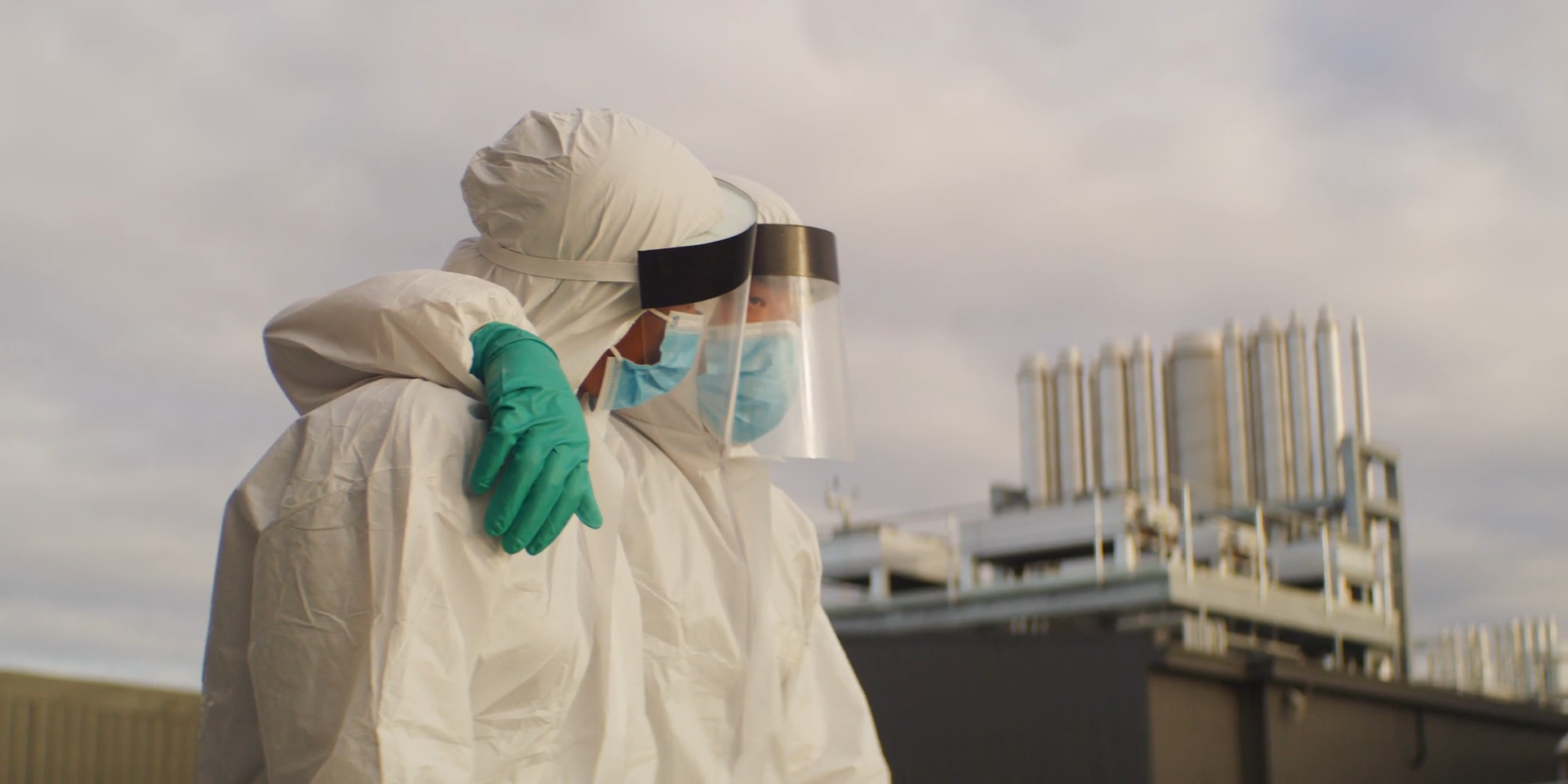
France has confirmed a positive Ebola case in a humanitarian doctor who had returned from a mission in the Democratic Republic of the Congo. The patient had been in an area with active virus transmission and received immediate care upon arrival in the country. He is currently hospitalized in a specialized centre, under strict isolation and biosafety protocols.
The case has drawn international attention because it marks the arrival in Europe of an infection currently spreading in the Democratic Republic of the Congo and Uganda. However, health authorities have stressed an important message: an imported case is not the same as community transmission, nor does it mean, by itself, the start of an epidemic. The key difference lies in how quickly the case is detected, isolated and investigated.
An active outbreak in Central Africa
The current outbreak was reported in May 2026 and is caused by the Bundibugyo virus, one of the species within the Ebola virus group. Its progression is a concern because of the number of cases recorded in the first few weeks, its spread across several areas and the difficulties linked to the affected region. The province of Ituri, in northeastern Democratic Republic of the Congo, accounts for most infections, although cases have also been reported in other Congolese provinces and in Uganda.
Unlike some other Ebola outbreaks, this one presents an additional challenge: there is currently no authorized vaccine or approved specific treatment for this virus. This does not mean that patients are left without care. Instead, the response is mainly based on early diagnosis, isolation, protection of healthcare workers and contact tracing.
When a disease crosses borders
The French case helps explain how public health works when a high-impact disease crosses borders. The patient is not only an individual case, but also a test for surveillance systems. Travelling from an affected area to another country happens constantly in a highly connected world, especially when it involves healthcare professionals, researchers or humanitarian workers. The key question, therefore, is not whether an infected person can travel, but whether the system is prepared to detect the case in time.
France has activated the measures established for highly transmissible infectious diseases. The doctor was transferred under safe conditions, admitted to a reference healthcare centre and isolated to prevent any risk of transmission. At the same time, authorities launched an epidemiological investigation to identify anyone who may have been in contact with him. Contacts considered at risk must remain under follow-up for 21 days, which is the maximum incubation period of the disease.
Contact tracing to cut chains of transmission
This tracing process is one of the most important tools against Ebola. The virus does not spread like flu or COVID-19, but through direct contact with blood or other bodily fluids from an infected person, or with contaminated materials. Transmission is also associated with the point at which the person already has symptoms. For that reason, identifying contacts, monitoring the appearance of compatible signs and acting immediately if symptoms appear makes it possible to cut potential chains of transmission.
The situation also highlights the particular exposure of healthcare workers. During Ebola outbreaks, those who care for patients, handle samples or work in areas with high transmission face a higher risk than the general population. This is not because they travel, but because of the type of contact they may have during their work. Since the French case involves a doctor returning from a humanitarian mission, it fits precisely into this higher-exposure profile.
Low risk, but active surveillance
Even so, the risk for the general population in France and across Europe is considered very low. There are several reasons for this: transmission requires direct contact with bodily fluids, specific protocols exist for suspected cases, reference hospitals are prepared for isolation and surveillance systems can activate health alerts quickly. The appearance of an imported case requires attention, but it does not justify an alarmist reading.
The real challenge remains in the areas where the virus is actively circulating. There, the response is much more complex. Healthcare pressure is compounded by population movement, access difficulties, the need for diagnostic testing, contact tracing and the protection of teams working in the field. In this type of context, every delay in detection can facilitate new chains of transmission.
Speed is also public health
With Ebola, speed matters. But so does the accuracy of the message. Speaking about an imported case in France does not mean anticipating a European crisis, but observing how a response designed precisely to prevent one is activated. In diseases like this, control does not depend on a single measure, but on a complete chain: detecting early, isolating properly, tracing contacts, coordinating, protecting and maintaining surveillance while the outbreak remains active at its source.

