


6 August 2026
After the flames: how wildfire smoke affects health
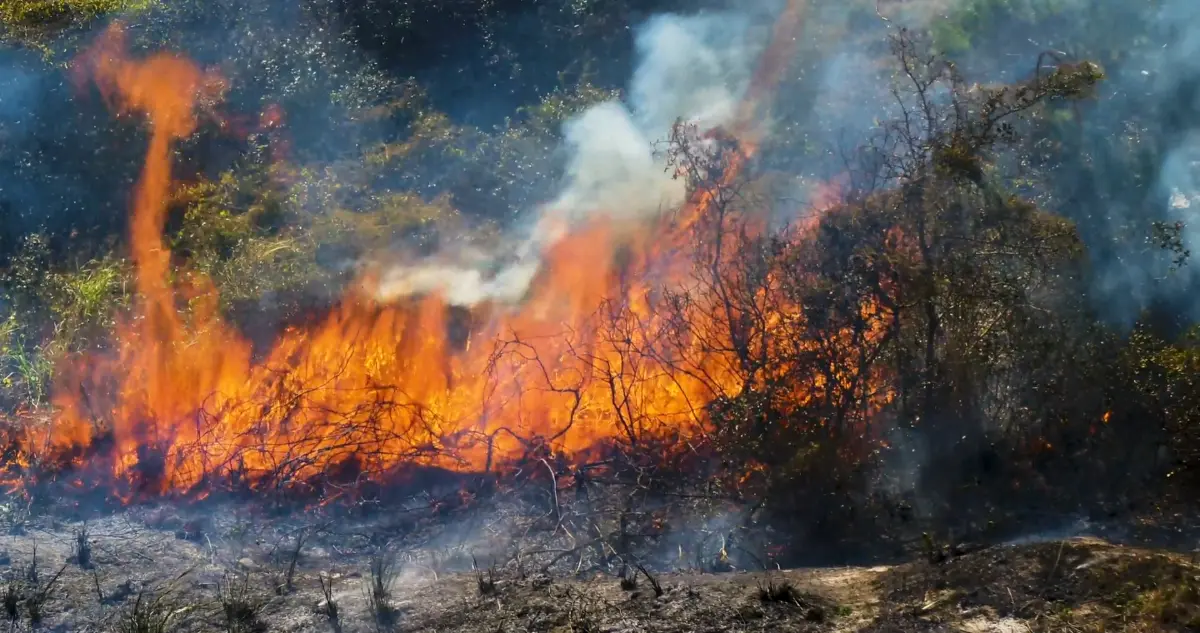
When we think about the damage caused by a wildfire, the flames and their impact on the natural environment usually come first. Burns, destroyed homes, and evacuations are the most visible consequences, but the danger does not disappear when the fire is far away or beginning to come under control. Smoke can travel with the wind, remain in the air for days, and reduce air quality in distant areas. As a result, people may be affected even if they have never been close to the fire front.
On 27 June 2026, Spain’s Ministry of Health published its first specific guide to the health risks associated with wildfires. The document does not focus solely on burns or emergency care. It also addresses smoke exposure, its combination with extreme temperatures, and the safety of water and food, as well as the emotional impact that an event of this kind can leave behind.
Smoke is not made up only of what we can see or smell. It is a mixture of gases and particles produced when trees, vegetation, and other materials burn. If the fire reaches homes, vehicles, or waste, it may also release substances from paints, plastics, metals, and chemical products. Its composition therefore depends on what is burning and the conditions of the fire.
Among the components found in smoke, PM2.5 particles are one of the main health concerns. Their diameter is 2.5 micrometres or less, far smaller than the width of a human hair. Their size allows them to penetrate deep into the lungs and, in some cases, enter the bloodstream. In addition, particles produced by wildfires may be particularly harmful because of their ability to cause inflammation and oxidative stress.
The first effects may seem mild: itchy eyes, irritation of the nose and throat, coughing, headaches, tiredness, or difficulty breathing. However, exposure can also trigger asthma attacks, worsen chronic obstructive pulmonary disease, or place greater strain on the cardiovascular system. For this reason, the days following a wildfire often bring an increase in medical consultations and hospital admissions for respiratory and cardiac problems.
Not everyone responds in the same way. Children breathe in more air in relation to their body weight, and their lungs are still developing. Older adults, meanwhile, may have less capacity to compensate for poorer air quality. People with asthma, lung disease, heart conditions, diabetes, or kidney problems also require particular protection, as do pregnant women. Exposure during pregnancy has been associated with a higher risk of premature birth and low birth weight.
Distance does not remove the risk completely. Smoke plumes can travel to towns located far from the flames. Sometimes there is a smell of burning or the sky changes colour even though the fire itself cannot be seen. At other times, pollution may be present without such an obvious warning. Personal perception alone may therefore not be enough to decide whether it is safe to go outside, ventilate the home, or exercise outdoors.
The Ministry of Health recommends checking the Air Quality Index and information issued by the authorities. When pollution levels rise, it is advisable to spend less time outdoors and avoid intense physical activity, because exertion increases breathing rate and causes people to inhale a greater amount of particles.
For remaining indoors to be genuinely safe, one of the first measures is to close doors and windows to limit the entry of smoke. It is also important to avoid activities that worsen indoor air quality, such as smoking, using aerosols, frying food, or vacuuming. Vacuum cleaners can lift settled particles back into the air. To remove ash and dust, the recommendation is to use damp cloths and avoid dry sweeping.
Not all face masks provide the same protection. Surgical masks do not fit closely enough to the face to filter fine particles effectively. When it is necessary to go outside in an affected area, a properly fitted FFP2 or N95 mask is recommended. Even then, these masks do not filter every gas, so they do not make it safe to remain unnecessarily in a polluted environment.
In addition to these complications, heat can make the situation worse. Wildfires often occur during the summer and periods of high temperatures, making it more difficult to keep some homes cool, particularly when windows should remain closed. The body must manage smoke exposure and the effort required to regulate its temperature at the same time. This increases the risk of dehydration, dizziness, and heatstroke, especially among older adults, children, and outdoor workers. If a home cannot be kept cool and free from smoke, it may be necessary to move to a designated space with clean air.
Although many symptoms may begin as minor discomfort, some signs show that the exposure is affecting the body more seriously. Severe breathing difficulties, chest pain, confusion, sudden weakness, persistent palpitations, or the worsening of an existing condition should not simply be attributed to the smell or the heat. For people receiving long-term treatment, having access to their usual medication becomes especially important during an evacuation, as an interruption may also cause complications. Burns, loss of consciousness, or signs of heatstroke require urgent medical attention.
The risks do not disappear as soon as the flames are extinguished. Ash can settle on surfaces, vegetable gardens, water tanks, and food, and carry chemicals or metals into the water supply. Products without packaging that have been in direct contact with smoke or fire residue may no longer be safe, while official information about local supplies can confirm whether water can be used normally.
The same applies to the air. Even when the fire has been brought under control, outdoor pollution may remain worse than the air inside a home, so opening the windows too soon does not always help. Returning to an evacuated property should also wait until it has been confirmed as safe, as there may still be structural damage, smouldering remains, or hazardous materials that are not immediately visible.
There is also a less visible but equally significant impact. Leaving a home, fearing for relatives or pets, losing possessions, or seeing the surrounding environment transformed can cause sadness, anxiety, irritability, sleep problems, and a sense of insecurity. In children, this distress may appear through changes in behaviour or a persistent fear that the fire will return. Recovery therefore involves not only returning home or breathing cleaner air, but also having access to support and professional help when the distress continues.
The conclusion is that a wildfire does not stop affecting health when the flames disappear. Smoke can spread its effects far beyond the burned area, while ash, heat, and changes to the environment continue to create risks. The new Ministry of Health guide reflects this reality: protecting health requires monitoring air quality, adapting activities, and caring for the most vulnerable people, as well as maintaining precautions for as long as necessary, because what remains suspended in the air may be less visible than the fire, but it is no less important.

