


22 April 2026
Science without investment: the silent risk facing modern medicine
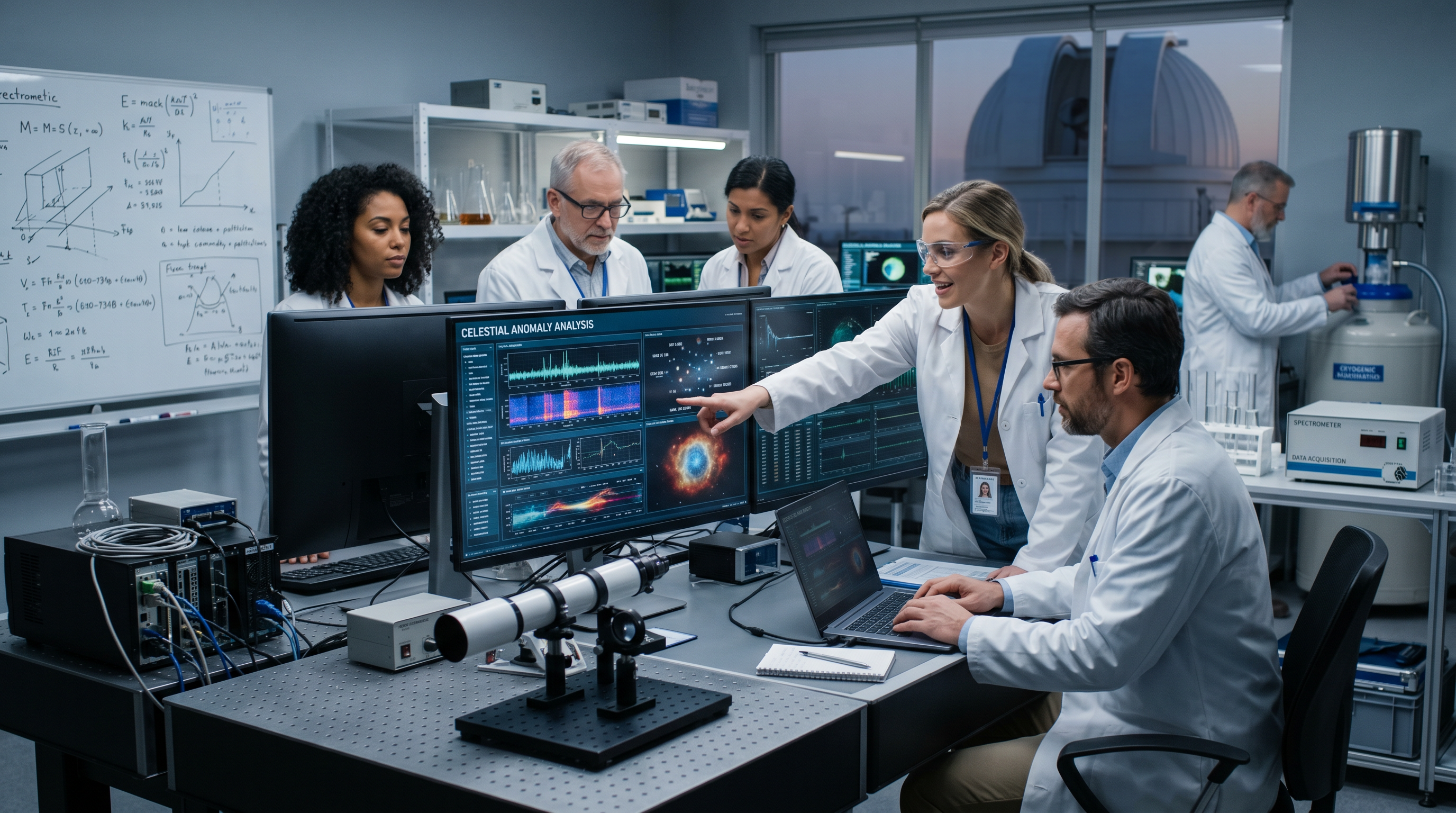
Gene therapies capable of correcting hereditary diseases that went untreated for decades. New antibodies able to neutralize viruses once considered unassailable. Treatments that restore sight to patients with hereditary conditions. Breakthroughs that belonged to the realm of exploratory research and are now a clinical reality.
Medicine is living through one of the most promising moments in its history. And yet, alongside this progress, a growing concern is taking hold within the scientific community: what happens when innovation moves faster than the system meant to sustain it?
Because there is a reality that often goes unnoticed: science does not move forward on its own.
A pivotal moment for health research
In recent months, advances in biomedicine have been especially significant. Gene therapies capable of treating previously incurable diseases, new strategies against complex viruses, and more precise diagnostic systems are redefining what we understand by healthcare.
We are not just talking about new technologies. We are talking about a medicine that is beginning to anticipate rather than react, that tailors treatments to each patient's genetic profile and that addresses root causes, not just symptoms.
We are, without a doubt, at a turning point.
But this context also raises a critical question: sustaining this pace of progress does not depend on scientific knowledge alone.
The role of funding in medical progress
Biomedical research requires time, resources and continuity. Without sustained investment, many of the advances that look promising today can stall in their early stages and never reach clinical practice.
In this sense, budget cuts, shifts in institutional priorities or a lack of stable funding can have a direct impact on the development of new treatments.
This does not only affect research teams. Ultimately, it affects patients.
Because every project that stops, every trial that stalls and every line of research that is abandoned represents a lost opportunity for health.
When geopolitics shapes global health
Medical innovation does not happen in isolation. It is deeply shaped by the geopolitical and economic context in which it takes place.
Today, investment in research has also become a matter of global competitiveness. While some countries are reinforcing their commitment to science, others face limitations that slow their capacity to develop. The result is an uneven landscape, where access to medical advances can vary dramatically depending on where a patient was born.
The real challenge: bringing innovation into clinical practice
One of the greatest challenges today is not only to keep researching, but to ensure that advances reach those who need them.
There is a real gap between what is discovered in the laboratory and what is applied in clinical settings. Closing that gap requires not only resources, but also organization, training and the capacity to adapt.
This is where the role of healthcare professionals becomes especially important. Because applying a medical advance is not an automatic process. It demands judgment, experience and a deep understanding of the context in which it is delivered.
The decision that sustains or stalls progress
Recent history shows that medicine can advance faster than ever. But it also shows that such progress is not guaranteed.
What is decided today on investment will not be felt tomorrow, but in five, ten or fifteen years. And unlike in other sectors, in biomedical research what is lost is rarely recovered: a team that dissolves, a line of work that is abandoned or a generation of researchers that emigrates do not come back with the next budget cycle. Decisions that seem distant today will ultimately determine which treatments exist, or do not, for the next generation of patients.
Sustaining medical innovation is not a technical matter. It is a decision. One that is made in parliaments, ministries, boards of directors and international organizations. And one that, whether taken or not, ends up reaching the clinic, the hospital and the lives of people.
Science has the knowledge. What remains to be decided is how much we are willing to invest in it.
At Mundae University we believe that the future of healthcare is built in direct contact with those who make it possible every day. That is why we are committed to hands-on training, connected to the professional environment, that prepares tomorrow's healthcare professionals to apply and bring to life the advances that science will make possible.

