

Universidad Mundae
Comienza Enfermería en septiembre
Our Methodology

Our Methodology

//01/Educational Model

An educational model based on hands-on and experiential learning

An educational model based on hands-on and experiential learning
At Mundae University, we start from a conviction: knowledge makes sense when applied. That is why our university methodology based on practice integrates theory and experience in a progressive path that allows the student to develop real skills from the beginning.

We don’t prepare for exams. We prepare for professional practice.
No preparamos para los exámenes. Preparamos para el ejercicio profesional.
Experiential learning as a structural principle

Experiential learning as a structural principle

Experiential learning is not an accessory element of the program: it is the principle on which the entire academic itinerary is built. Each program at Universidad Mundae is designed so that the student not only understands the concepts but also applies, questions, and develops them in contexts close to professional reality.

This means that from the first courses, the student works in applied environments, solves real cases, uses sector-specific tools, and makes decisions with judgment. The progression is gradual and structured, but exposure to practice begins from the start.
//02/Three phases

An itinerary in three progressive phases

The Mundae University model organizes learning in a progression that goes from fundamentals to real-world application, without abrupt jumps and with support at every stage.

01

Foundations and Simulation

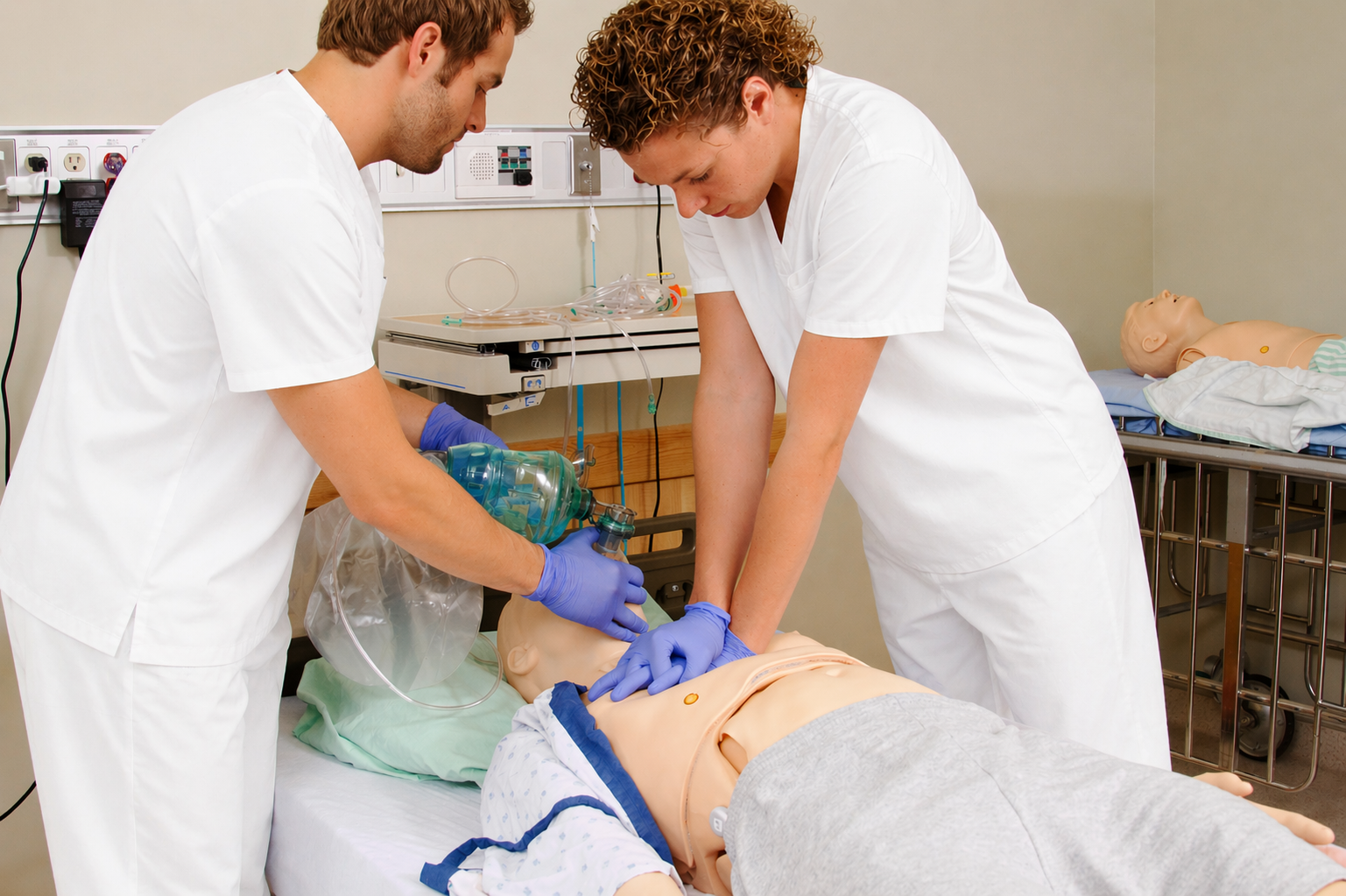
The student acquires the conceptual bases and works on them in simulated and controlled environments. The goal is to develop confidence and judgment before exposure to the real environment.

02

Supervised Practice

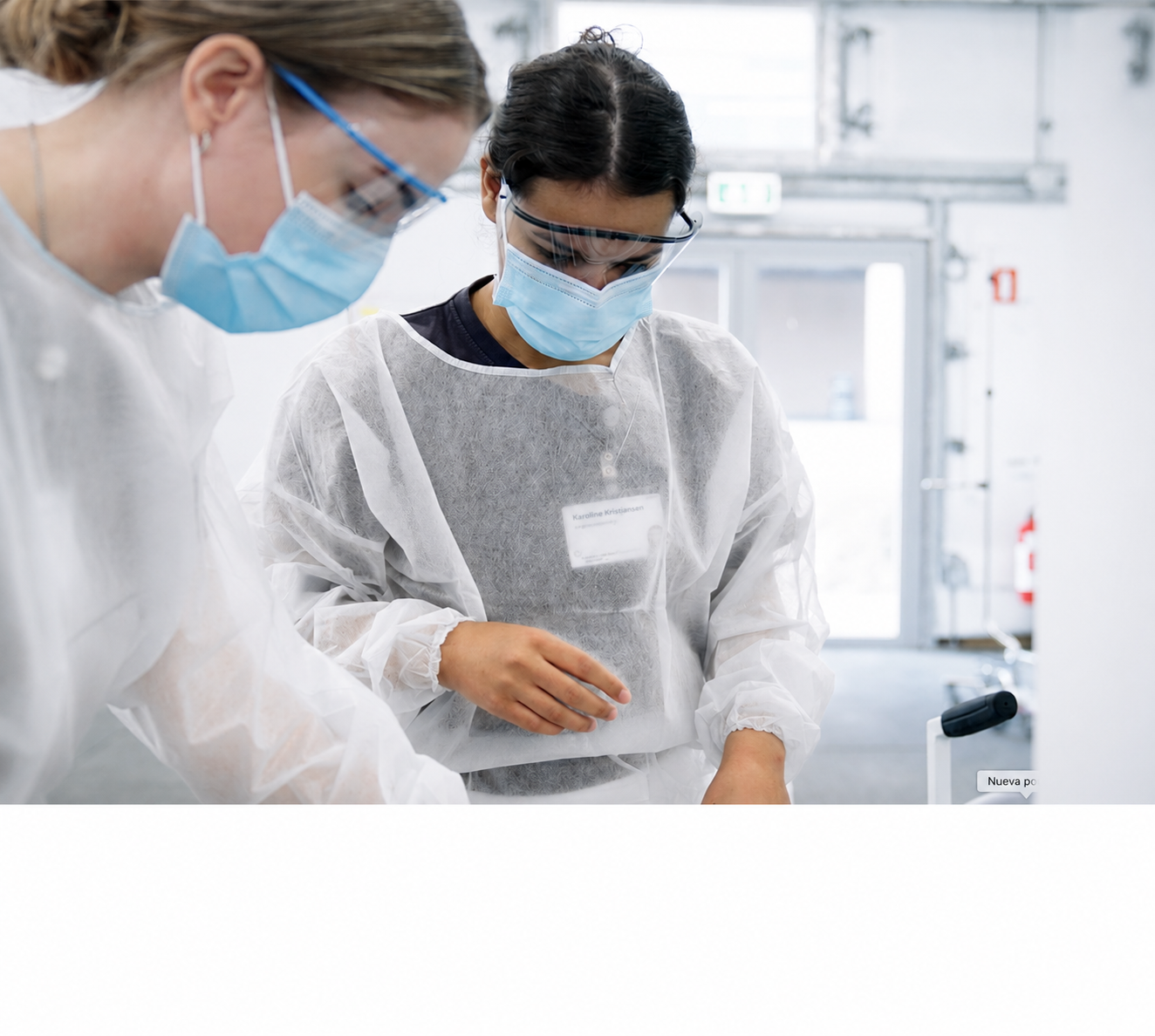
Progressive application in real environments with continuous academic support. The student intervenes, makes decisions, and receives direct feedback from active professionals.

03

Structured Practicum

Full immersion in the real professional environment. The student assumes responsibilities typical of their training field within a supervised academic framework.

Foundations and SimulationSupervised PracticeStructured Practicum
Explore our academic offerings
Technology at the service of learning

Technology at the service of learning

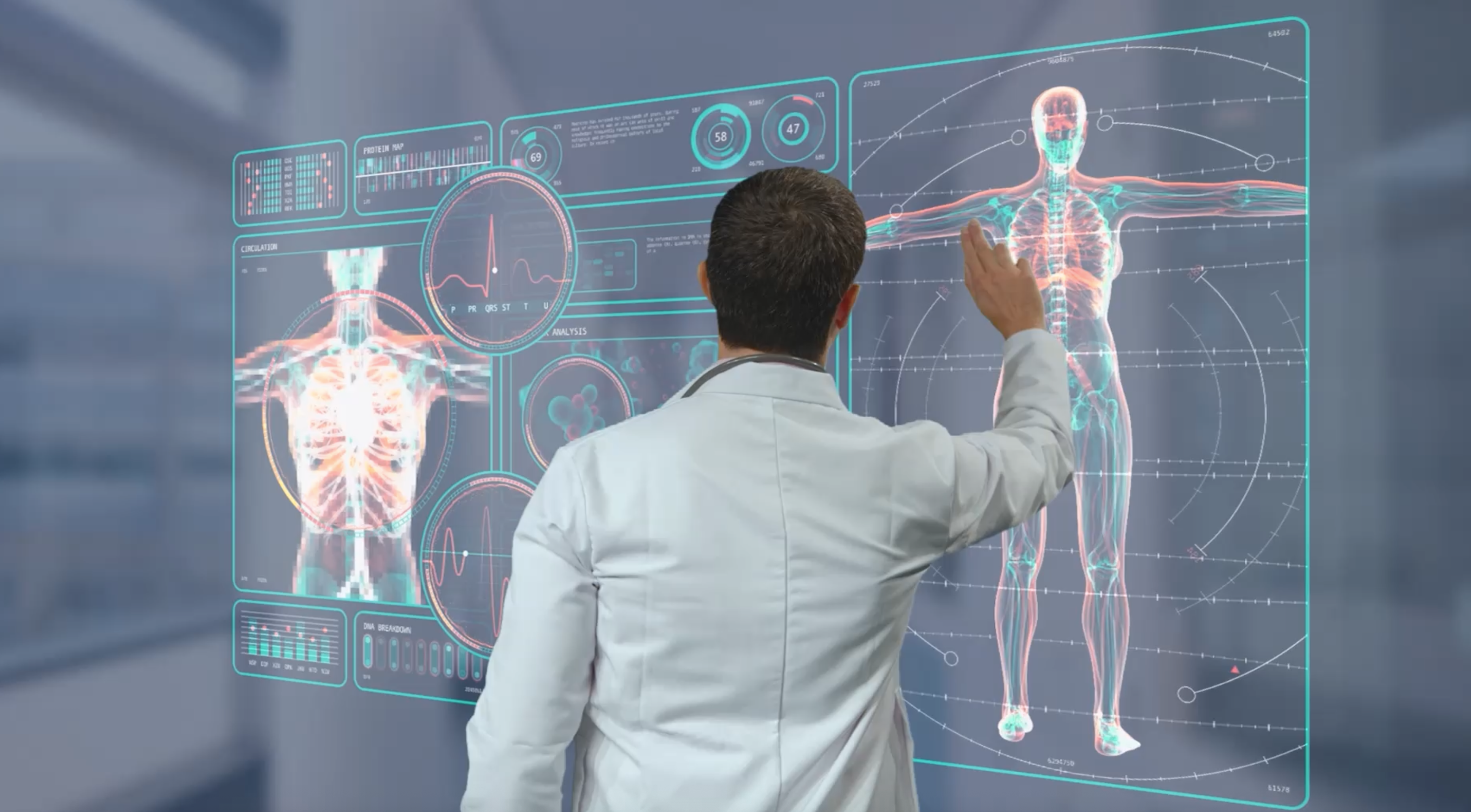
Technology is not a support for the model: it is part of the educational process. At Mundae University, students work with interactive platforms, specialized software, multimedia resources, and simulation tools from the first courses.

The virtual campus is available 24 hours a day and integrates content, assessments, and communication with the teaching team. Flexible access does not mean lower demands: it means that the student can organize their learning without sacrificing academic depth.
//03

Academic support at each stage

One of the pillars of the Mundae University model is that no student advances alone. Each person has an academic advisor who supports their progress throughout the entire program: from enrollment to graduation.

The instructors are active professionals in their field of expertise, which ensures that the training is connected to the real demands of the sector. The monitoring is not occasional: it is continuous and personalized throughout the entire journey.

//03

A model with international projection

The methodology of Mundae University is not limited to a single context. The university maintains agreements with academic and professional institutions in Europe and Latin America, allowing students to expand their training in international environments and develop skills in different professional systems and cultures.

For Health Sciences students, the Cori · International Health Program offers the possibility of clinical rotations in hospitals in Europe, the United States, Canada, and Latin America, with professional supervision and continuous academic support.
Discover the CORI program

Do you want to know how to apply this model to your program?

Each area of knowledge adapts the experiential itinerary to the specific demands of its professional field. If you want to understand how the model works in the program that interests you, our academic guidance team can explain it to you in detail.

Aplicación del modelo

Frequently asked questions about the methodology

It is based on the principle of experiential learning: theory and practice integrated from the first course, in a progressive itinerary that goes from fundamentals to real application in supervised professional environments. The model is common to all university areas, although each program adapts it to the specific demands of its discipline.

The model is organized into three phases: a first phase of fundamentals and simulation in controlled environments; a second phase of supervised practice in real contexts with teaching support; and a third phase of structured practicum where the student assumes responsibilities typical of their field of training.

Technology is part of the training process, not an administrative support. Students work with specialized software, interactive platforms, simulation resources, and sector-specific tools from the first courses. The virtual campus is available 24/7 and integrates content, assessments, and communication with the teaching team.

Yes. The blended model allows organizing theoretical learning through the virtual campus with flexible hours, while the phases of in-person practice are planned in advance in an intensive and structured way. It is specifically designed for people with work activity and irregular schedules.

Through an academic advisor who accompanies the student throughout the program, active teachers who provide direct feedback, and a structured progression by phases that allows consolidating competencies before advancing to the next stage.

The principle of experiential learning is transversal to all Mundae programs. Each area — Health Sciences, Technology, Business, Law, Architecture — adapts the practical itinerary to the demands and environments specific to its discipline, but the base model is the same.